Two paths to great work
Early clarity creates power—but experimentation creates adaptability

Albert Einstein was twenty-six when he overturned centuries of physics. Andy Warhol defined the visual language that would make him famous in his thirties.
Some innovators get to a clear idea early.
Others take a very different path.
Henri Matisse spent decades experimenting before producing some of his most influential works in his seventies.
Why do some breakthroughs arrive early, while others take a lifetime?
Some innovators begin with a single, defining insight—and spend a lifetime expanding it. Others generate ideas continuously, their work evolving as they do.
If you didn’t start out with a life-changing idea, that may not be a hindrance—because only one of these two types of innovators adapts over time.
When clarity comes early
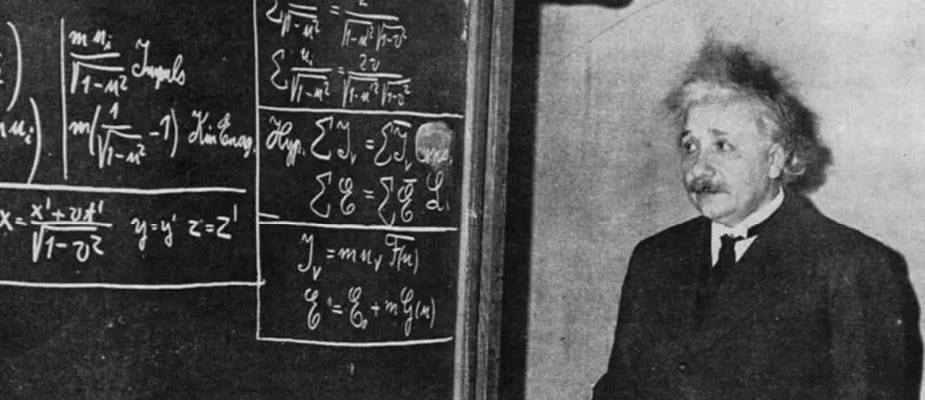
At twenty-six, while working as a patent clerk, Einstein published four groundbreaking papers on Brownian motion, the photoelectric effect, special relativity, and the equation E = mc².
This extraordinary burst of discovery is known as his “miracle year.”
Innovators like Einstein start with clarity. They see the structure of a problem early, form a strong mental model, and express it with unusual precision.
Warhol followed a similar path.
Trained as a commercial illustrator, he became fascinated with mechanically reproducing images—first experimenting with silkscreened dollar bills, then turning that process toward everyday consumer goods.
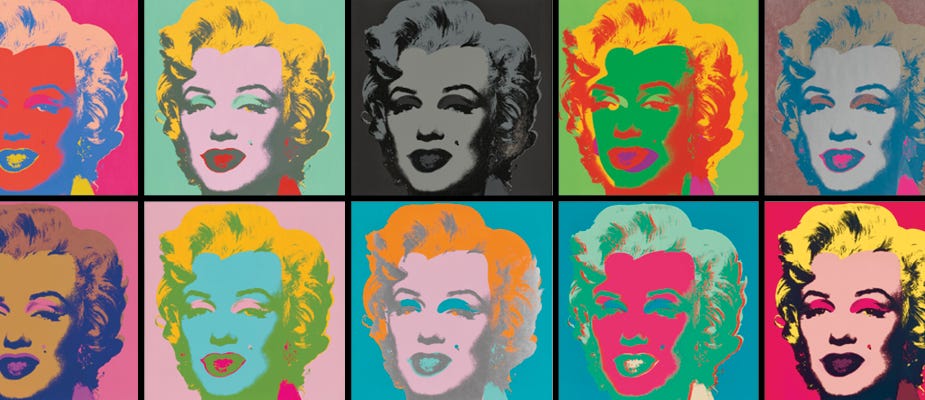
The result was a simple, powerful idea: flat, graphic imagery repeated with industrial regularity. Campbell’s Soup cans. Marilyn Monroe. Coca-Cola bottles. Art void of gesture and reproduced like products on an assembly line.
Once established, he explored that idea relentlessly—producing variations on the same theme with near-mechanical consistency.
That clarity is powerful. But it can come at a cost.
When clarity becomes constraint
When an idea arrives early—and works—it’s easy to stick with it. But the structure that made the work distinctive can slowly become a constraint.
For example, Einstein later resisted aspects of quantum mechanics—even as the field advanced and his own theories predicted them.
Warhol rarely strayed far from the visual logic that made him famous. Some work still holds. Other pieces feel closer to repetition than insight.
Early certainty can become a long-term limitation.
A different way of working
Others move in the opposite direction.
They don’t begin with a fully formed idea. They discover it through the work—testing, revising, discarding, and trying again.
Each attempt reshapes their understanding of the problem.
Matisse followed this path.
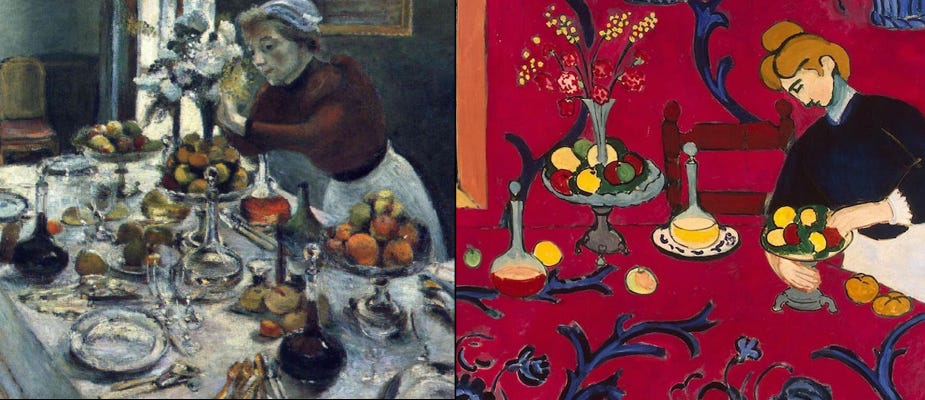
Matisse first gained recognition in the early 1900s for his intense use of color, becoming associated with the Fauves—the “wild beasts.”
That early success could have defined him. But it didn’t.
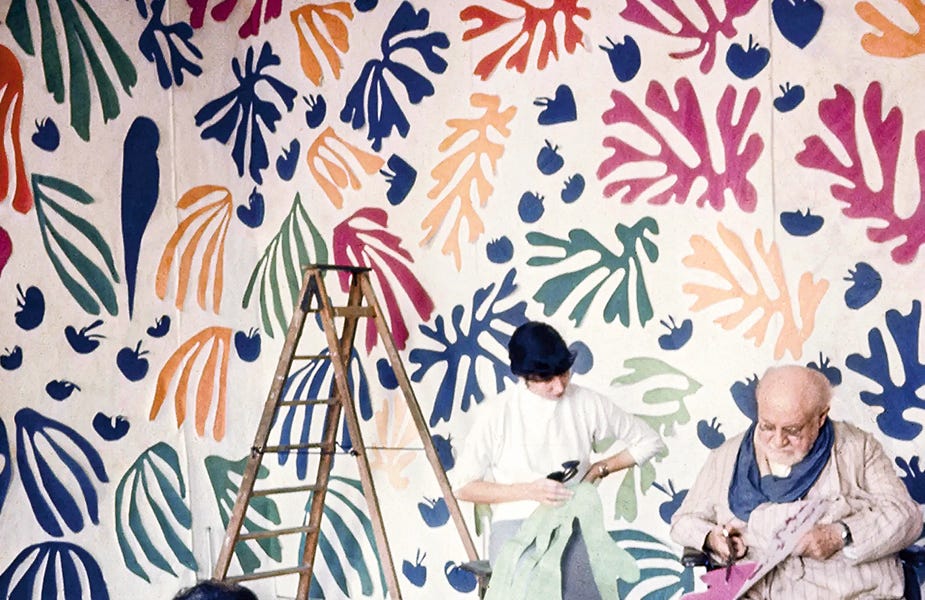
Decades later, in his seventies—after illness left him largely confined to a wheelchair—he radically reinvented his process. He turned to cut paper. Scissors replaced brushes. Color became shape. Shape became rhythm.
The work became simpler. And more powerful.
Those late cut-outs—bold, direct, and unexpectedly fresh—are now considered among his most influential works.
What changed wasn’t just the medium. It was the way he worked.
Instead of refining a single idea, he kept discovering new ones.
The same split shows up in design
Some designers build their careers around a distinctive style. At the right moment, that can be incredibly valuable—a recognizable voice that clients want to align with.
That kind of clarity can create demand—but it’s often temporary.
What once felt essential can quickly become irrelevant as the context changes.
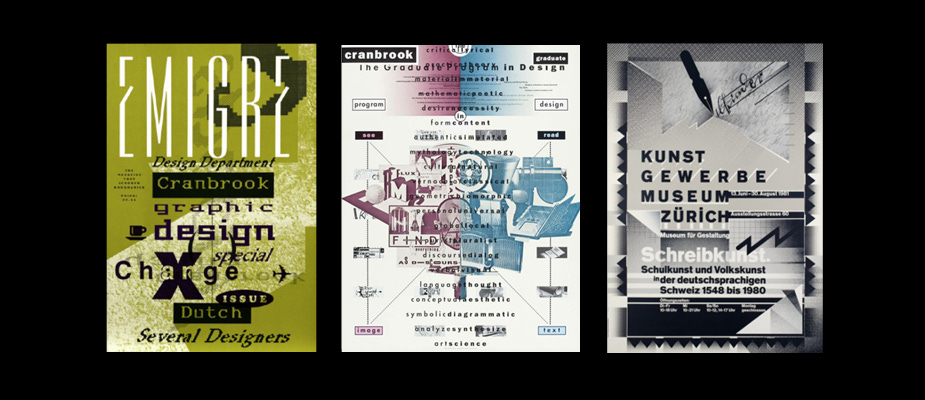
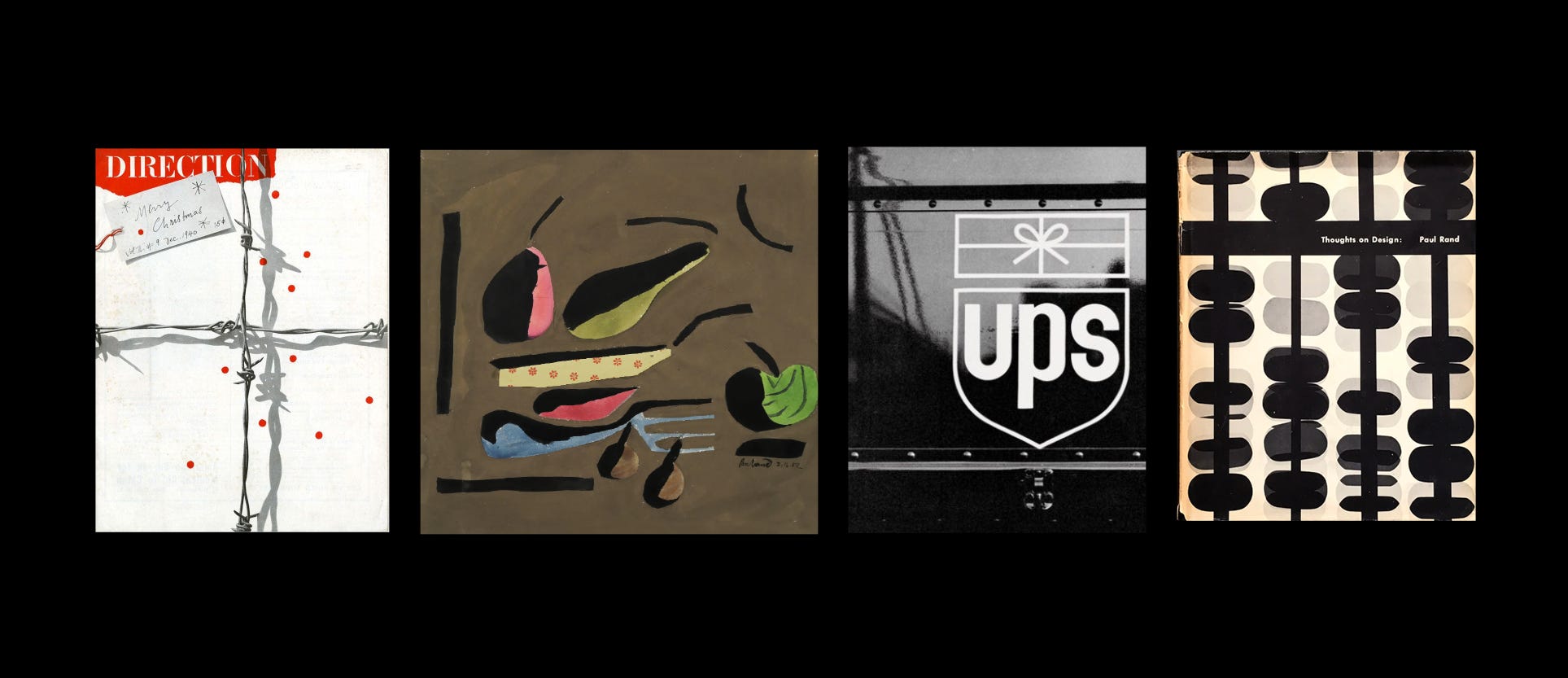
In contrast, designers who work experimentally—generating range, testing ideas, and learning through iteration—aren’t tied to a single look or approach.
Their value comes from how they think, not what they make.
Each variation sharpens judgment. Each discarded direction clarifies what matters. That’s why quantity leads to quality—range builds understanding.
Designers who work this way don’t cling to a solution.
They trust their ability to find the next idea.
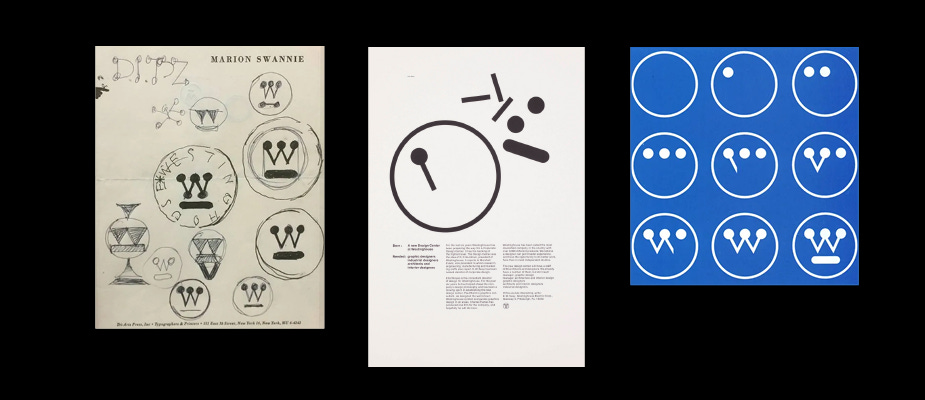
Style and technique matter—but neither compounds
Do you generate options—or protect the first idea that feels right?
Do you explore range—or refine too early?
Do you learn as you work—or defend what you already know?
The designers who keep evolving aren’t chasing tools or trends.
They are building a creative process based on exploration and discovery.
Because over a career, everything moves.
Styles change. Technology changes. Expectations change.
What matters—and endures—is how you think.
Build a way of working that keeps working—no matter how the problem changes.