
Strategy grows in the wild
Three types of trees. Three strategies. One lesson for creative work.

Something I didn’t understand until I started spending long stretches in the Nordhouse Wilderness: creative strategy isn’t about finding the one right approach.
It’s about building range—and knowing what to use when.
Most strategies are presented as choices.
Pick the right framework or direction. Apply it well. Repeat.
That logic is reassuring. It suggests that if the work fails, the strategy was wrong—or not executed cleanly enough.
But it rarely works that way—success thrives on variation.
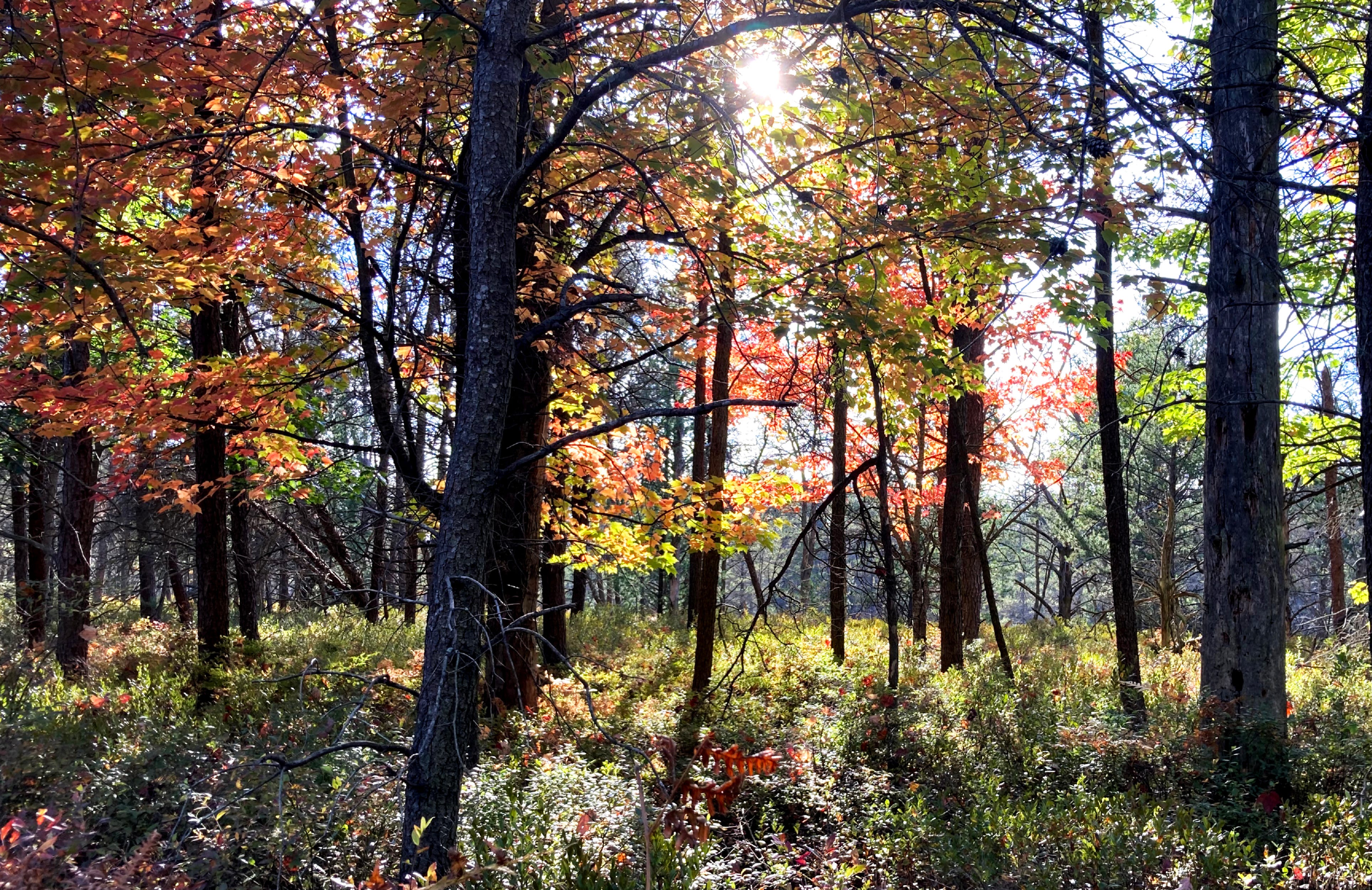
Walk through a forest, and at first all you see are trees.
But the more you look, the clearer it becomes: trees are competing for the same conditions—light, time, space.
Yet, they are surviving through different responses.
When the canopy breaks open in late fall, white pines move into the light. Oaks hold the light by towering over spaces. Maples beat the crowd by leafing out early.
Same conditions. Different strategies.
The forest doesn’t thrive because one strategy dominates—but because many strategies coexist.
As creatives, we often feel the opposite pressure.
When uncertainty and competition rise, many creatives tend to narrow toward a single “right” move—the newest trend, the latest framework, the safe consensus.
Resilience in the wild is built on a range of strategies.
If you’re aiming to blend creativity and strategy in your work, these three examples offer an unusual way to think differently about your options.
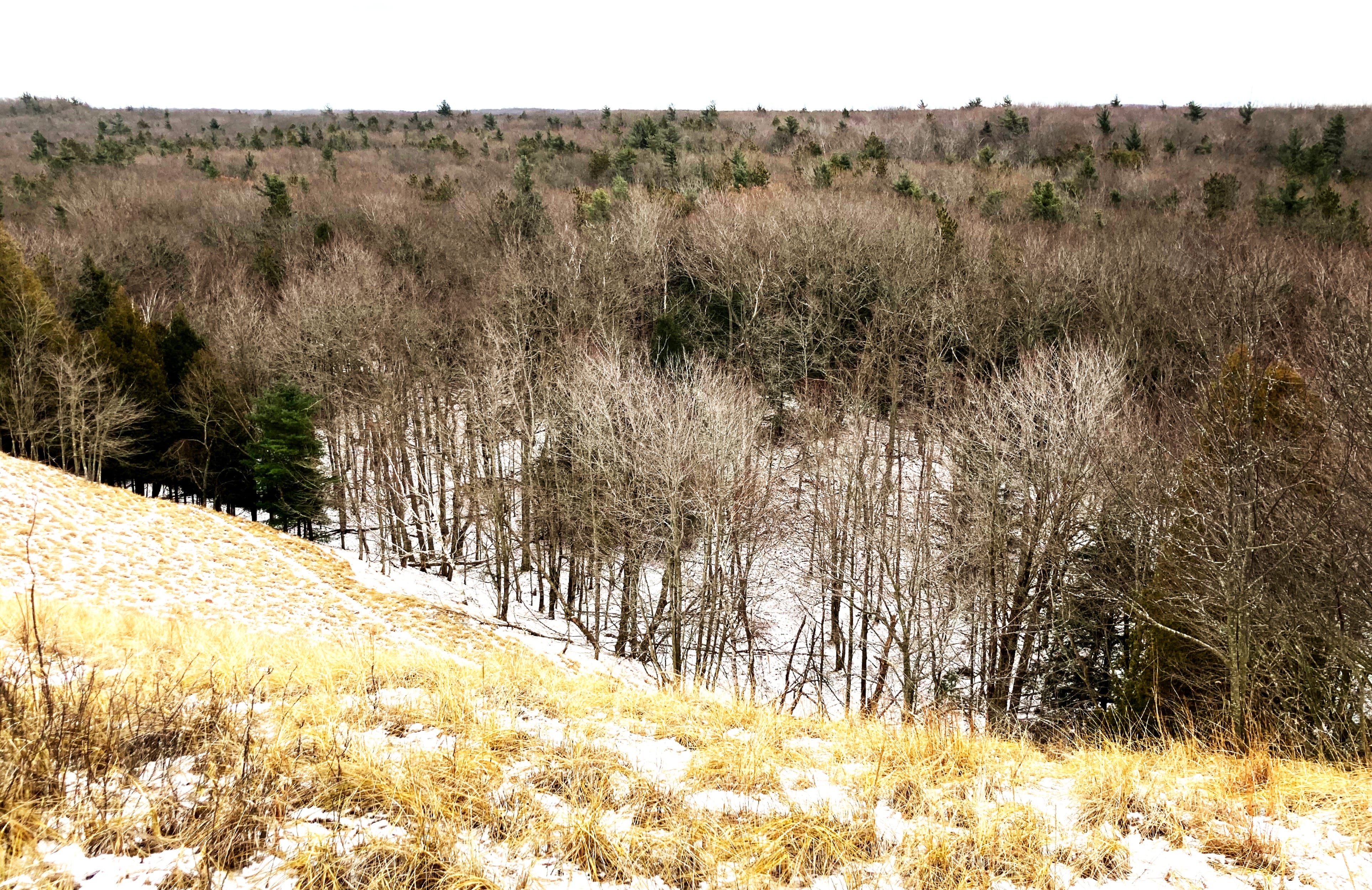
The pine: strategy as endurance
Pines grow quickly, but their strategy is built on persistence.
Their thin, needle-like leaves minimize surface area to prevent freezing. A waxy coating reduces water loss, and their dark color absorbs heat from the sun year-round—allowing them to capture light even in winter.
Pines don’t gather much light at once, but they gather it steadily, long after other trees have shut down for the season.
Nothing here is accidental. Everything is deliberate.
Some ideas in creative work behave like pines.
These ideas take time. They evolve quietly. They aren’t flashy, but they’re durable—brand systems, visual systems, foundational strategies.
In an information-saturated world, it’s tempting to treat those systems as disposable—easy to refresh, easy to replace.
But brand identity doesn’t compound when you keep resetting it.
Endurance isn’t the only logic in the forest. It’s simply one way the system stays alive.
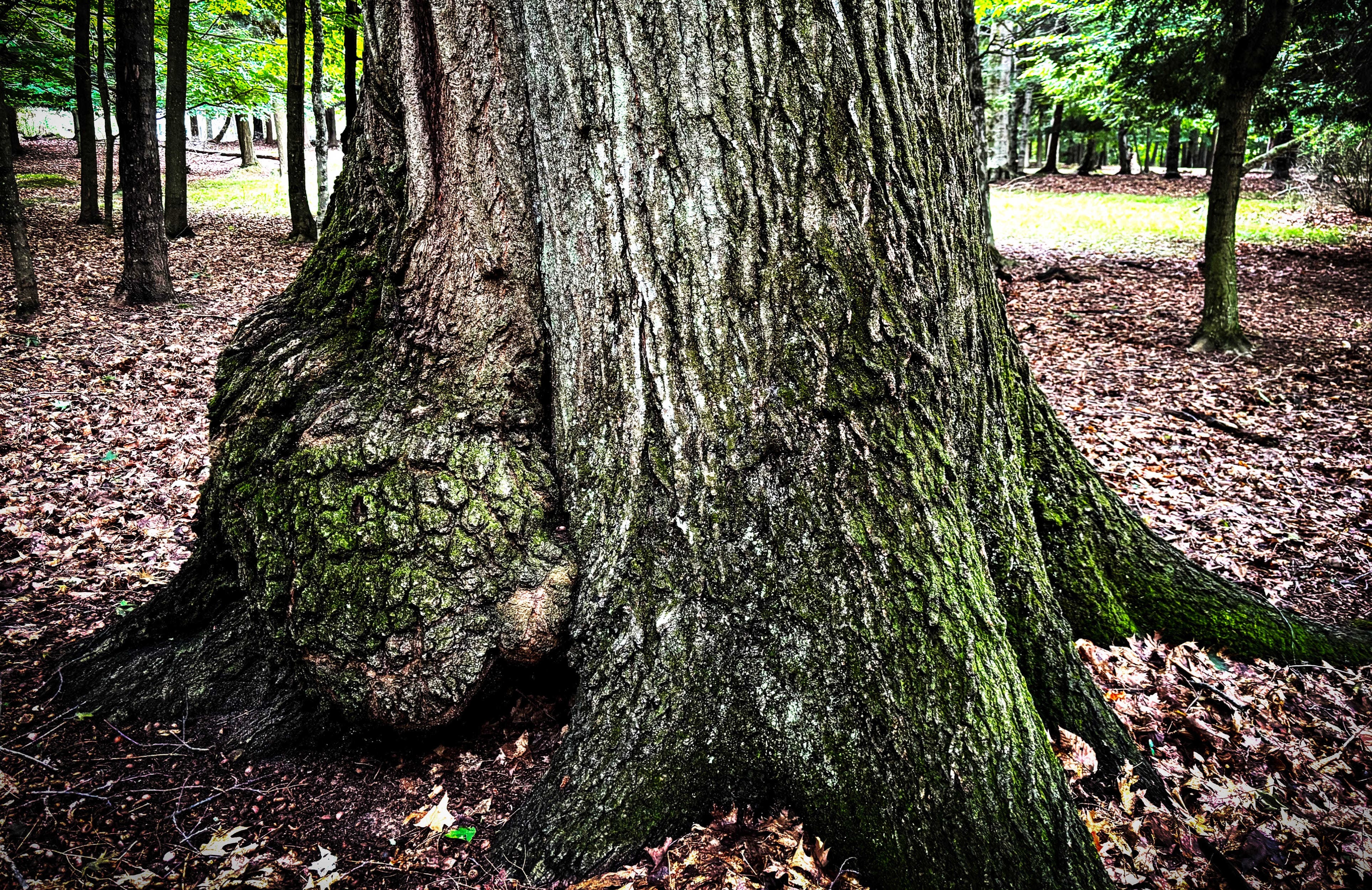
The oak: strategy as timing
The oak’s approach is completely different. It goes dormant through the winter. It’s barely active in the spring.
It waits.
Oak leaves are exceptional light-gatherers—broad and open, like umbrellas.
But that strength as a light-gatherer comes with risk—because those leaves are fragile. They can’t afford late-season frosts or bursts of cold. In spring, a temperature drop can destroy an upcoming season of new growth.
So oaks hold back. They track the light, wait for certainty, and when they move, they move decisively.
They gather massive amounts of sunlight over a short period, pull usable nutrients out of their leaves, then bank that energy underground and shut the system down until spring.
Some creative work lives or dies on timing.
Not everything compounds slowly like a brand system. Some ideas are built to land in a moment—when the audience is ready, the culture has shifted, and the organization can move quickly to support what it’s putting out into the world.
That’s why timing matters in design.
A campaign can be beautifully made and still miss the mark. A message can be true and still arrive too early. A new approach can be solid—and still fail if the organization hasn’t caught up.
This kind of creative work isn’t about constant output.
It’s about restraint, alignment, and using the window well once it opens.
Not better or worse than endurance. Just a different survival logic.
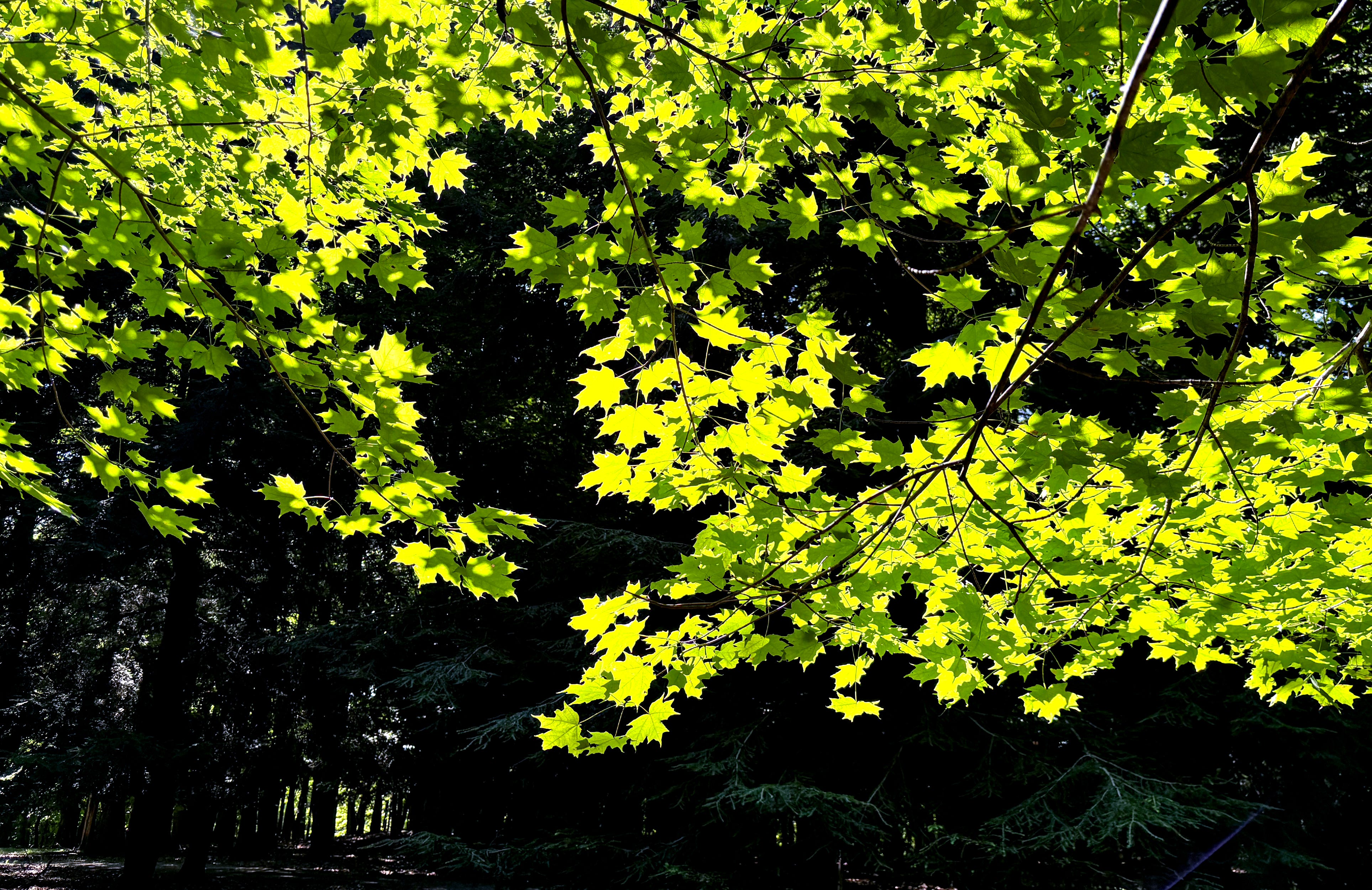
The maple: strategy as early movement
And then there’s the maple. At first glance, maples seem to follow the same strategy as oaks. But look closer.
Maples see the same competitive landscape and carve out the only niche left to them: start earlier.
To do that, they evolved to create an internal antifreeze—an ingenious adaptation that keeps the thin living layer beneath their bark from freezing. It’s why their sap flows weeks before the forest fully wakes up.
It’s also why we have maple syrup.
That head start allows maples to leaf out early, capture sunlight with little competition, and grow faster than oaks.
In creative work, this strategy shows up as early movement.
You don’t wait for perfect conditions—because perfect conditions rarely arrive. You move early, prototype, test, and adjust—letting the real world answer questions no amount of planning can settle.
This is what building a message in real time looks like: draft the line, run it, watch what lands, rewrite it.
Release the first version. Learn from what people actually do. Tighten the next one.
Maple strategy isn’t patience or endurance. It’s momentum—used on purpose.
Not superior. Just another distinct approach.
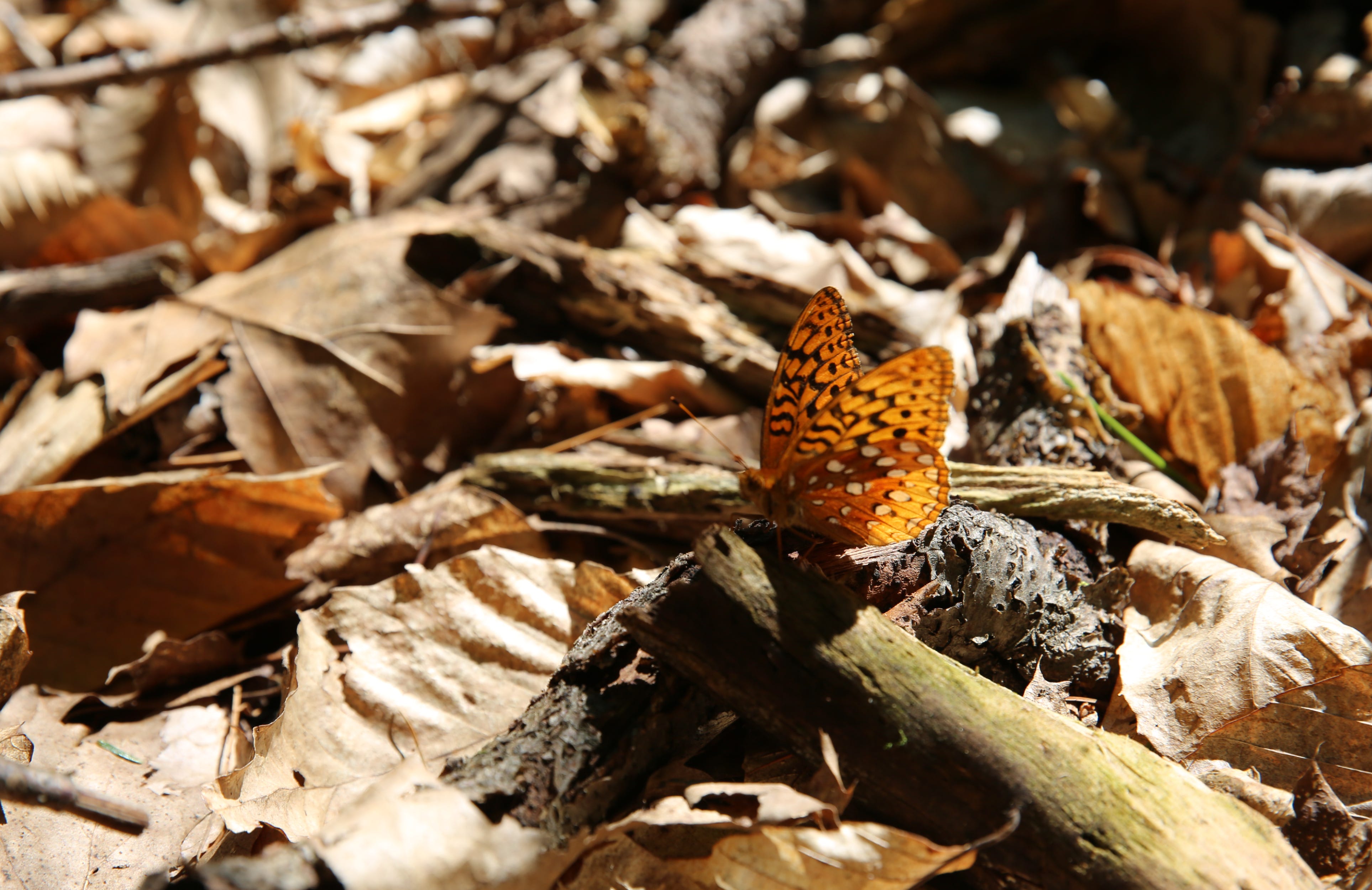
Reading the creative landscape
Each of these trees lives under the same constraints—light, frost, competition, and shifting conditions—and each responds differently.
A forest doesn’t succeed by choosing one strategy and perfecting it. It thrives because multiple strategies coexist—and the system benefits from that mix.
Creative work is no different.
Some ideas need endurance. Some need optimal timing. Some need early movement and rapid adjustments.
The best work often uses more than one strategy at once—holding a steady foundation while optimizing a moment and testing the next move in real time.
That’s why creative strategy isn’t a framework you apply.
And success isn’t about picking the one “right” method.
Your advantage shows up in building range and reading the landscape in front of you—knowing which move to make when it counts.
Nice analogies and good reminders. Thanks.
Thank you for sharing!