Sometimes the smallest detail is the biggest signal.
Great design isn’t always about what you see—it’s about anticipating what matters most to the people you’re designing for.

As designers, we’re often asked to make something look like the brand. But the real work is helping the brand act like itself.
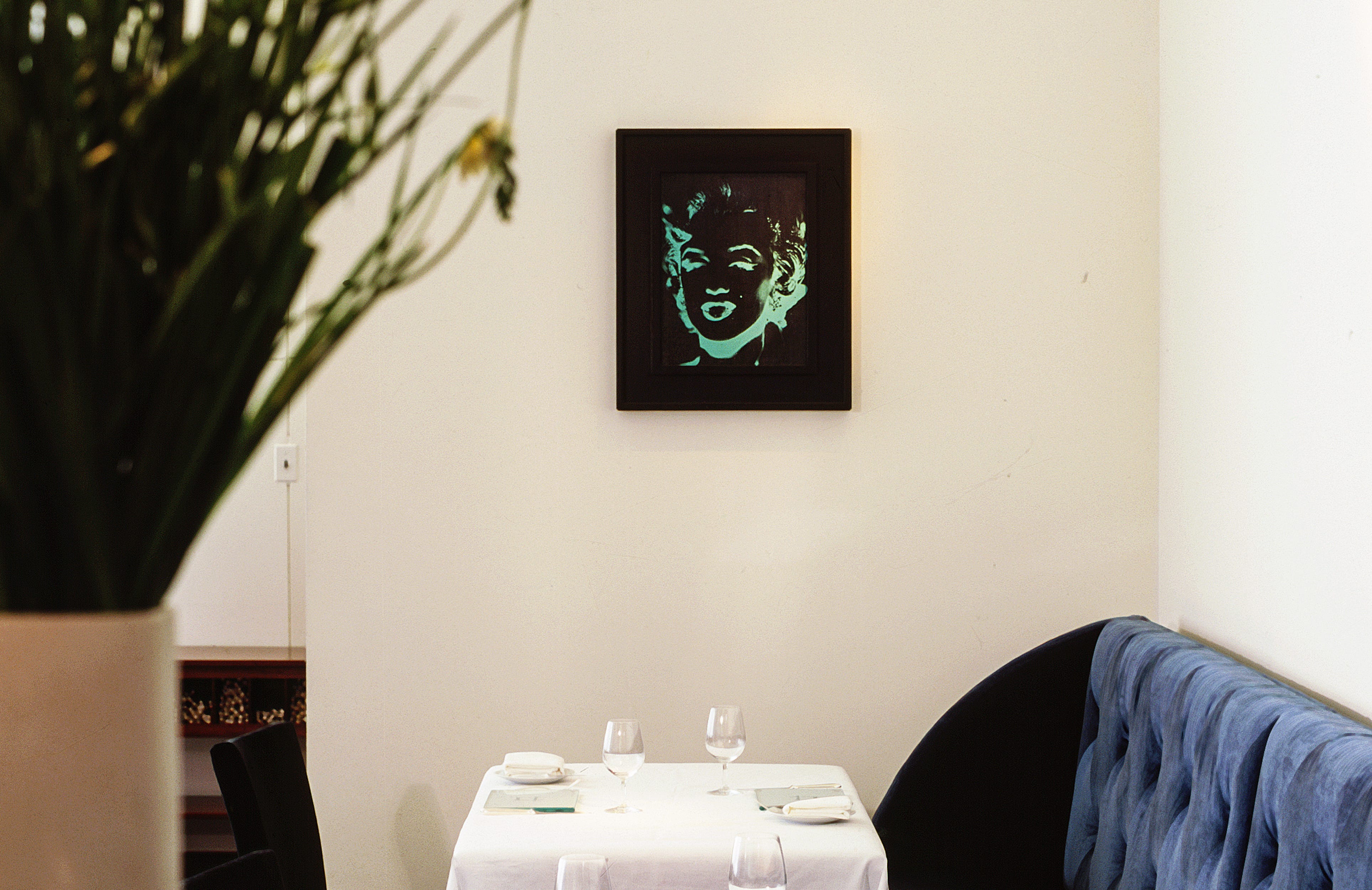
When we worked with Michelin-starred TRU, Works by Andy Warhol, Gerhard Richter, Peter Halley, and Yves Klein set the stage for a modern approach to French cuisine presented as contemporary art.
But, it wasn’t the food, the atmosphere, or the service that made or broke the experience for their most loyal diners.
Instead, the variable that mattered most hinged on a surprising insight we uncovered during our research.
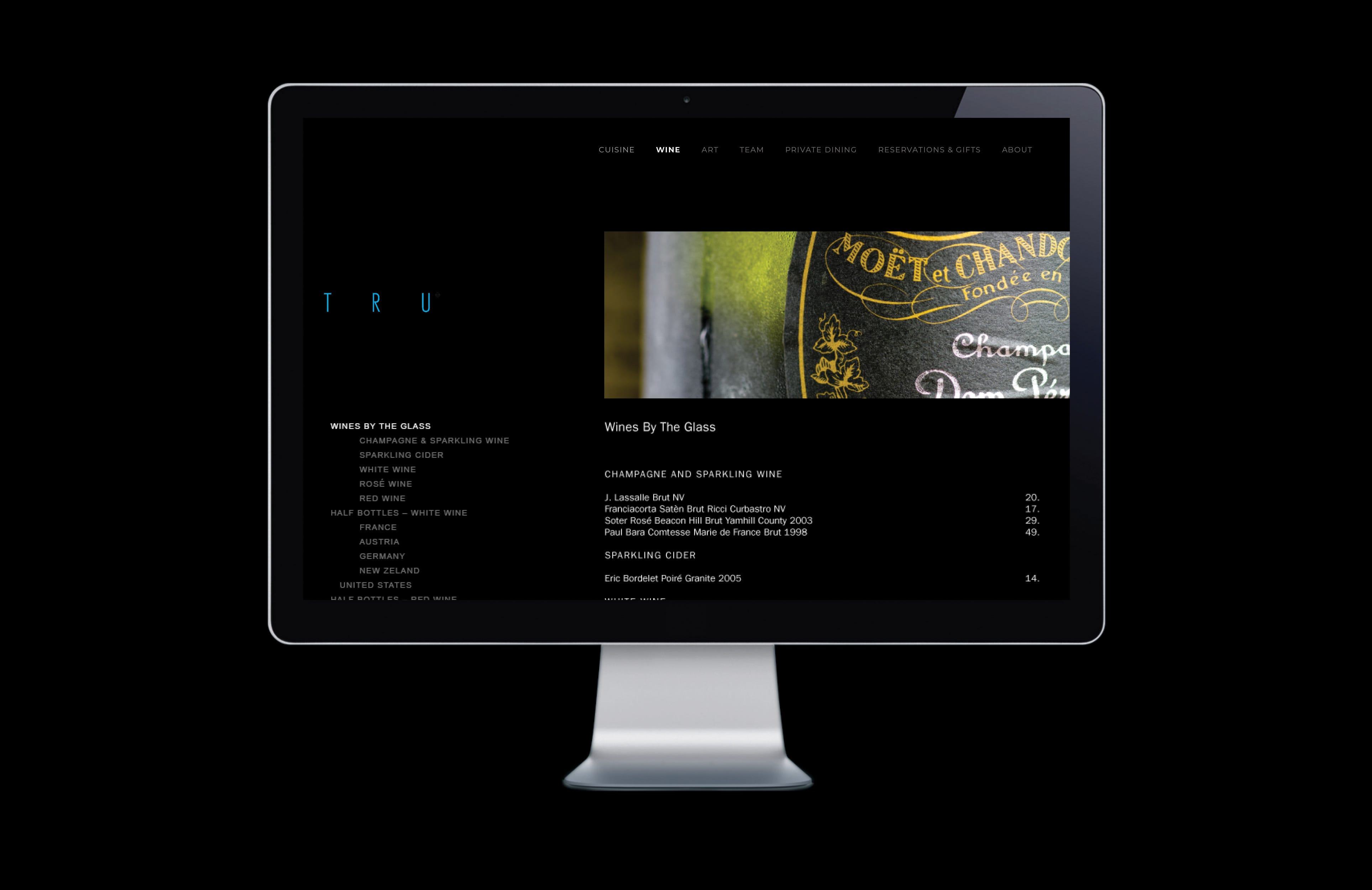
The restaurant had hired us to redesign their website to reflect the elegance and precision of their experience. Every detail had to mirror the level of craft behind each plate and pour.
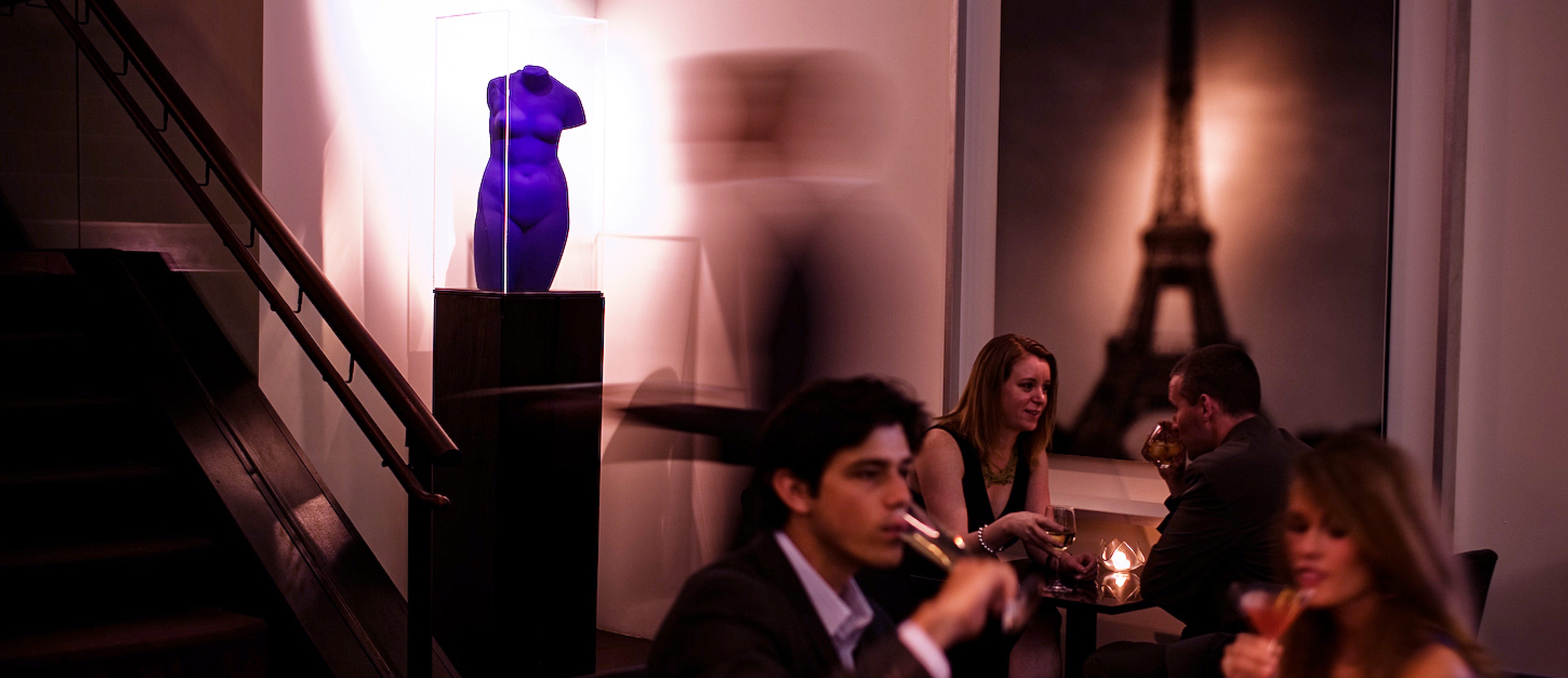
Entering the restaurant on St. Clair Street just off the Magnificent Mile in Chicago felt like walking into a living gallery.
The serene, modern room stripped away distraction.
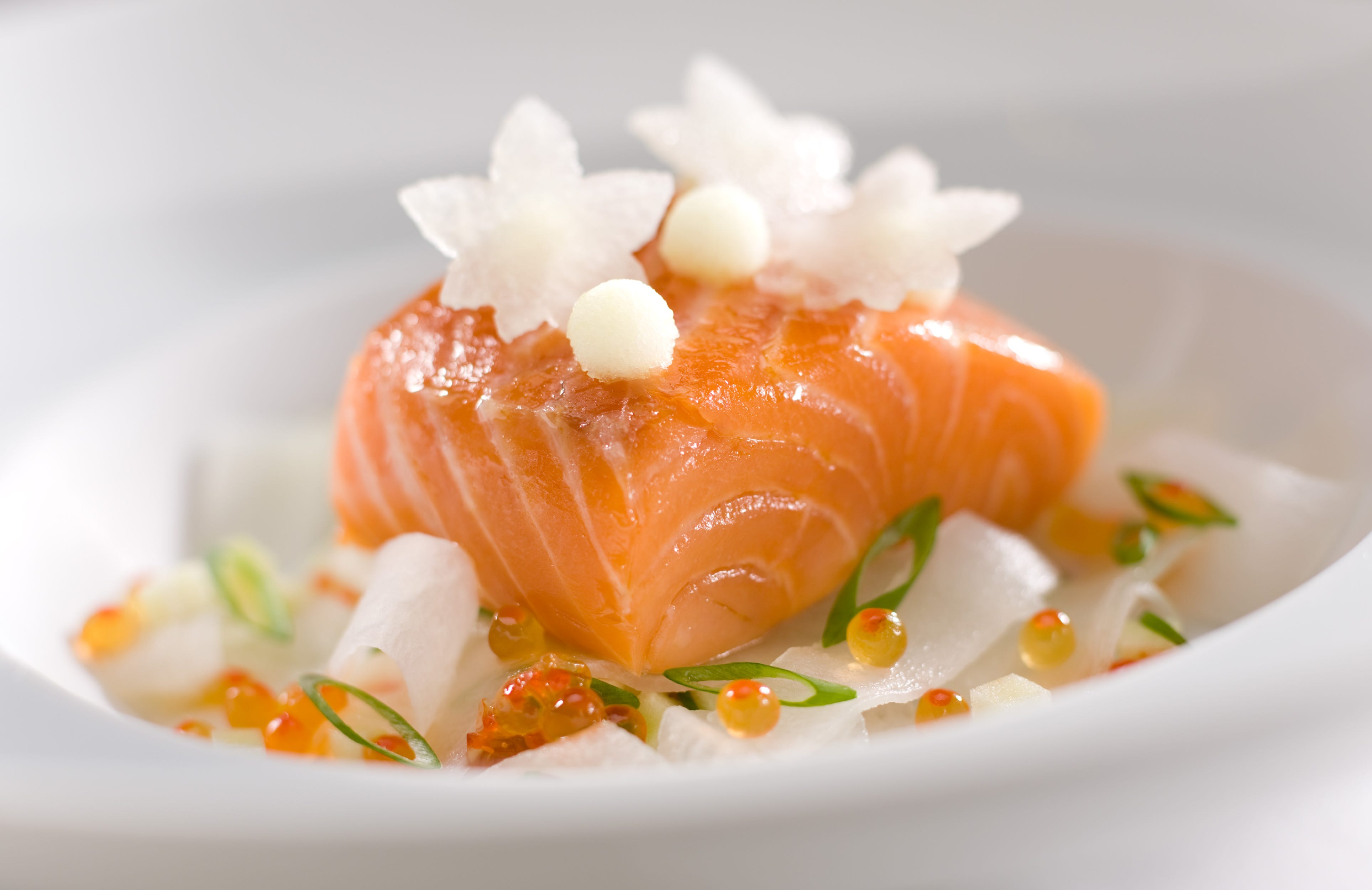
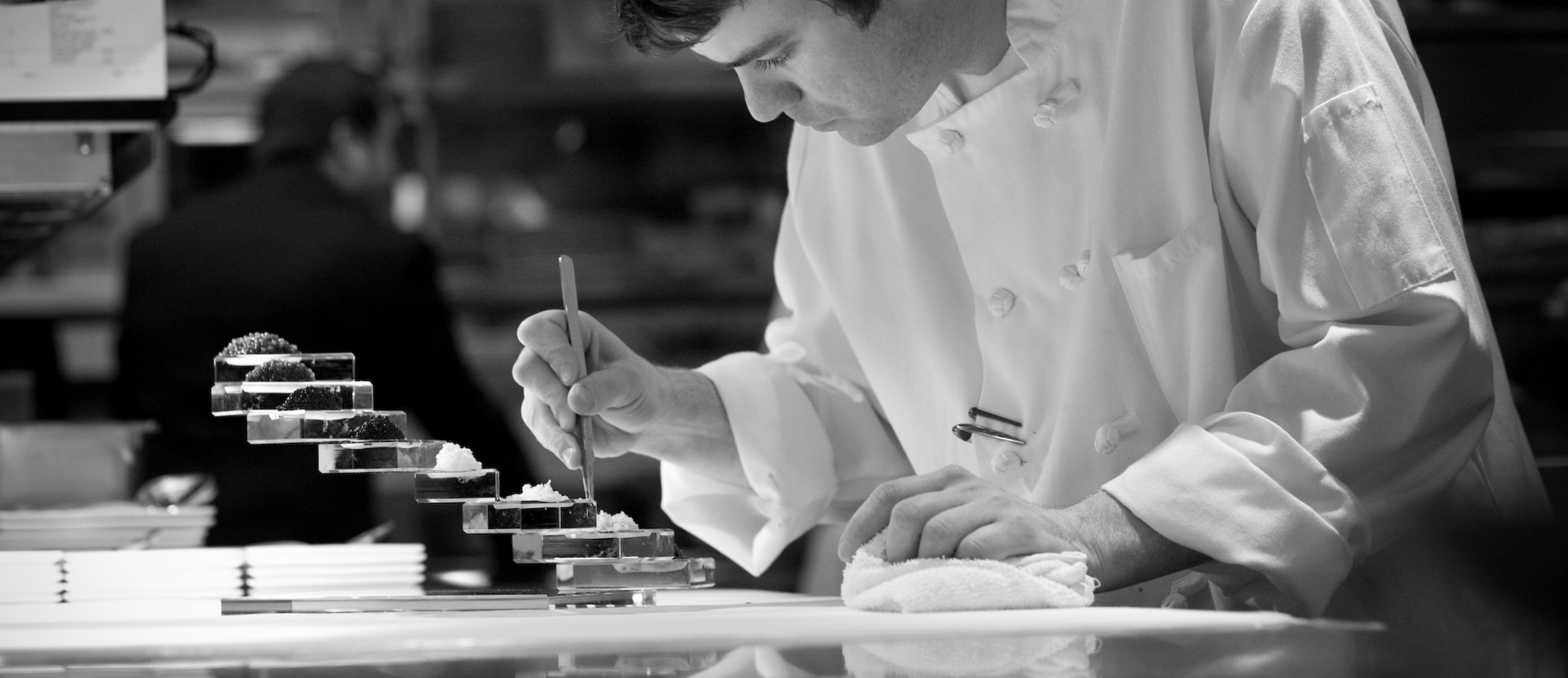
The kitchen took the same approach as the art on the walls—stripped back, confident, and exact.
Each dish focused on what was essential: pure flavor, clean form, and textures that surprised without showing off. Modern technique served a single purpose—to bring out the natural character of every ingredient.
We thought we’d start here—by capturing that beauty and precision online.
The restaurant thought their design problem was about aesthetics. The real design problem lay beneath the surface: keeping experience and expectation in sync.
As we listened to guests and staff, it became clear that what defined the experience wasn’t what people saw—it was what they expected to find.
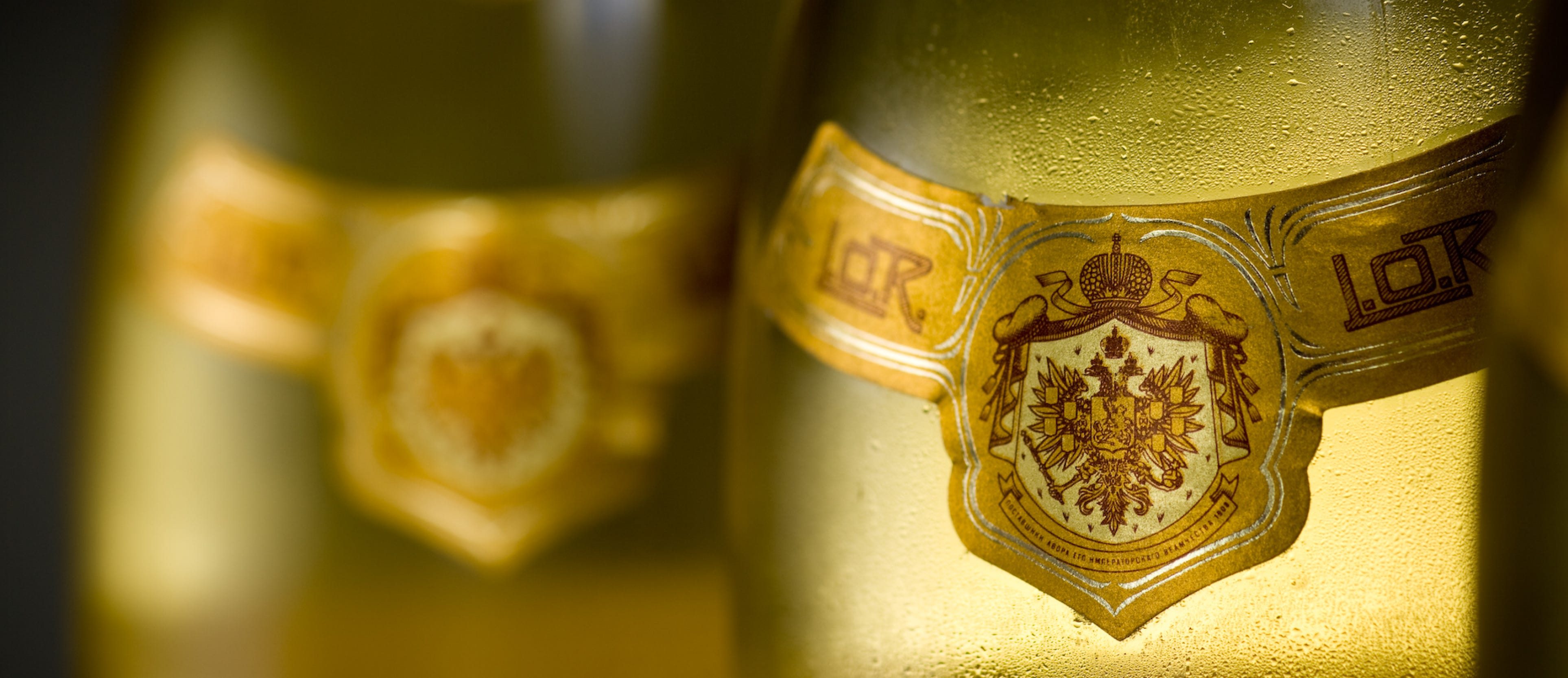
What truly mattered to their most dedicated guests wasn’t simply the food. It was the wine list.
Not just having great wine—but having the wine.
The exact bottle that a discerning collector had looked forward to. These guests tracked vintages, knew provenance, and remembered what they’d seen.
But these bottles were rare.
There might only be three of a specific vintage in the cellar.
If a guest spotted a prized bottle online—but it was already gone by the time they arrived—the disappointment lingered long after dessert.
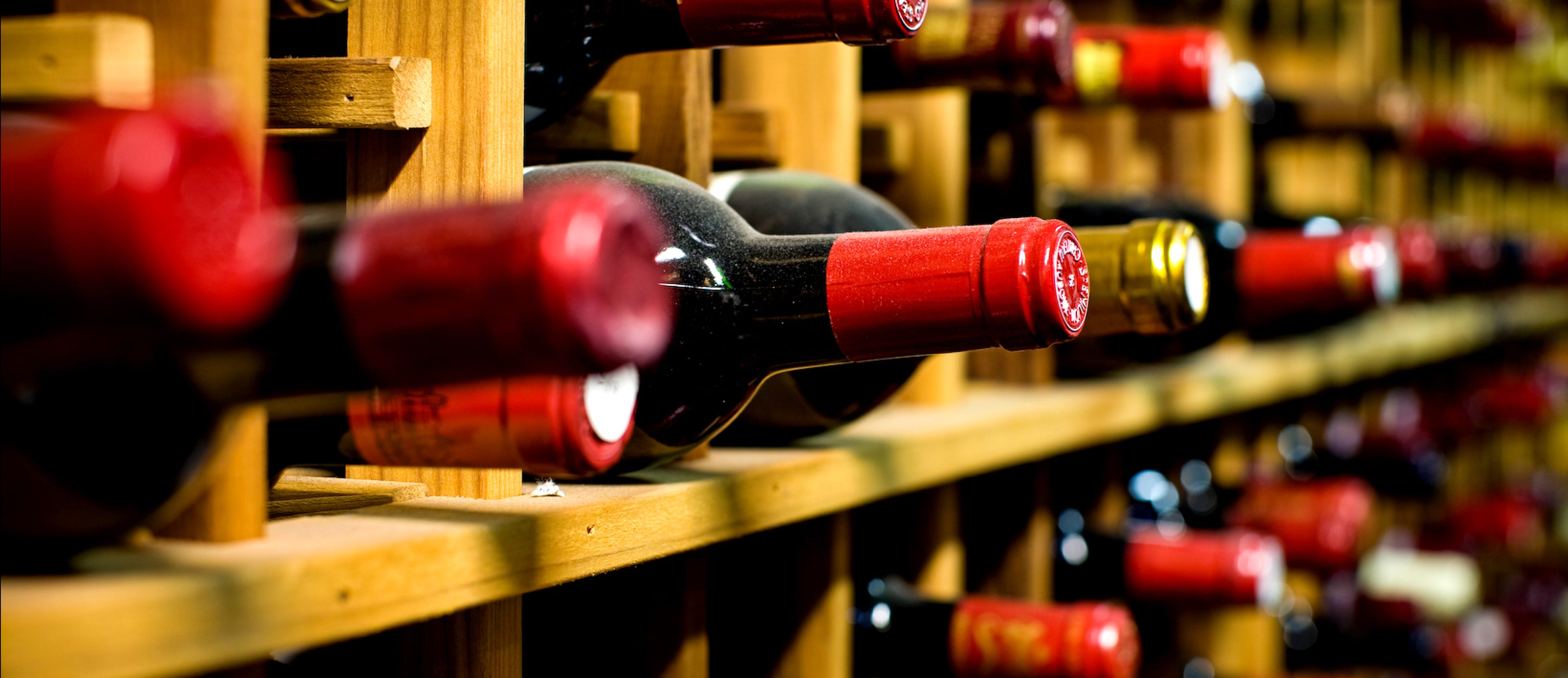
The restaurant wasn’t short on wine. What they lacked was clarity. Bottles went out—but the list stayed the same.
Guest expectations weren’t met.
So we built a fix: behind the elegant design of the site, we included a simple system linking live cellar inventory to the website. Each time a sommelier pulled a bottle, the list updated instantly.
It wasn’t flashy. Most guests never noticed. But the ones who cared most—the collectors, the regulars—felt the difference.
That’s the power of good design.
Not in what’s most visible, but in what’s most valued.
Every organization has its version of the wine list—the hidden detail that makes people believe the promise.
The designer’s job is to find that point of alignment and make it effortless.
When you align small details with deep expectations, you build trust. You turn potential friction into delight. And you create loyalty, not just impressions.
That bottle of wine?
It wasn’t just a drink.
It was a signal: that this place was designed with them in mind.