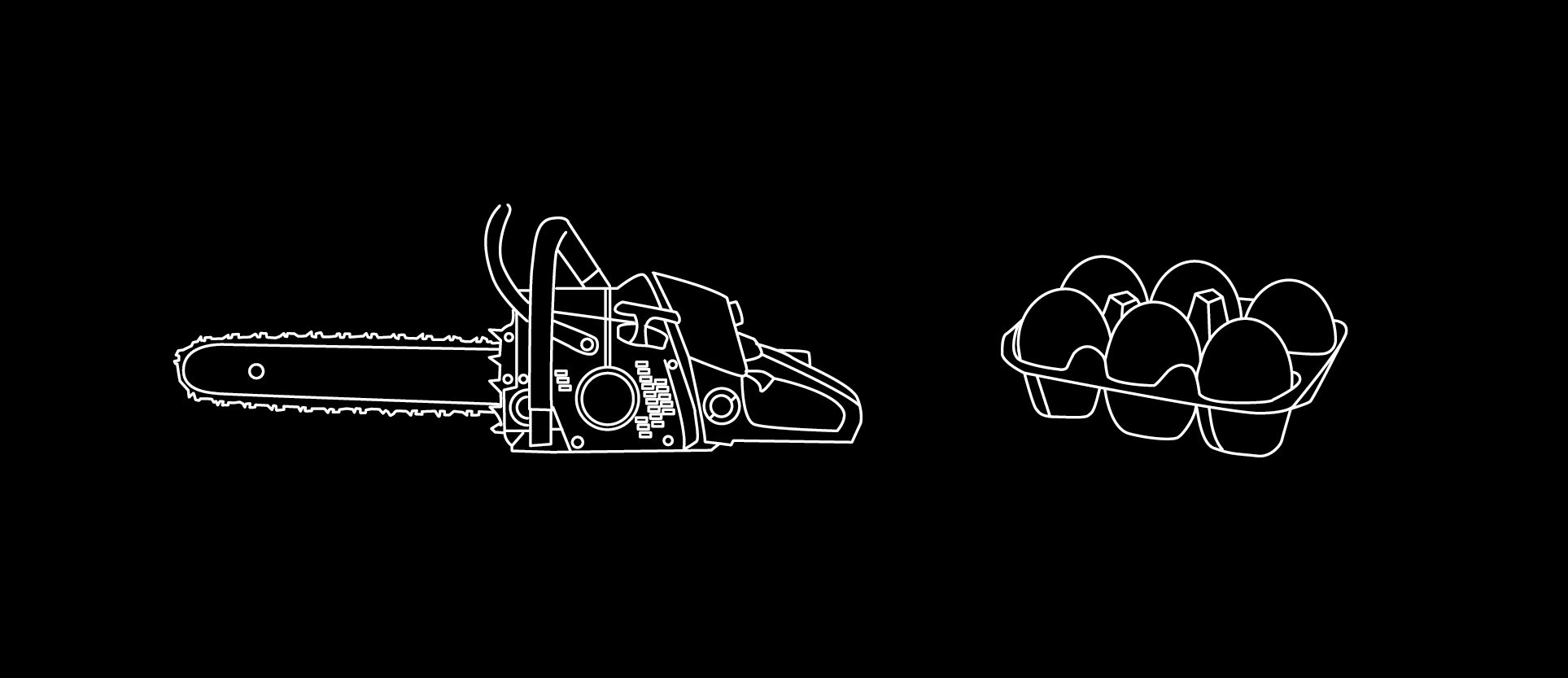
How do designers solve problems they've never seen before?
The habit that shaped my work had nothing to do with design school.

When I was eleven years old, I found an old physics book from a self-teaching series called Made Simple tucked away in the attic of my grandparents’ farm.
I thought I’d discovered a buried treasure—as exciting as finding an arrowhead in the field.
Much of the book was beyond me. Some of it made immediate sense.
Mostly, it taught me that the world was full of invisible systems waiting to be understood.
Looking back, I realize the book changed me—but for reasons that had nothing to do with physics.

One of my company’s first clients was a biotech company. They hired us to develop their brand identity.
At our first meeting, my questions weren’t about preferences, styles, or what they wanted.
Instead, I asked about their research.
What had they discovered? How did it work? What assumptions were they challenging? What made their work genuinely different from everyone else in their field?
Our early conversations weren’t about design.
They were about science.

Before we could communicate what made the company’s approach unique, we first had to understand what actually made it different. We listened to understand what they knew and asked questions to surface what they assumed.
Only then could we begin making design decisions that meant something.
The design process simply became our bridge between complex ideas and the people the company needed to reach.
That project reminded me of something I hadn’t thought about in years.
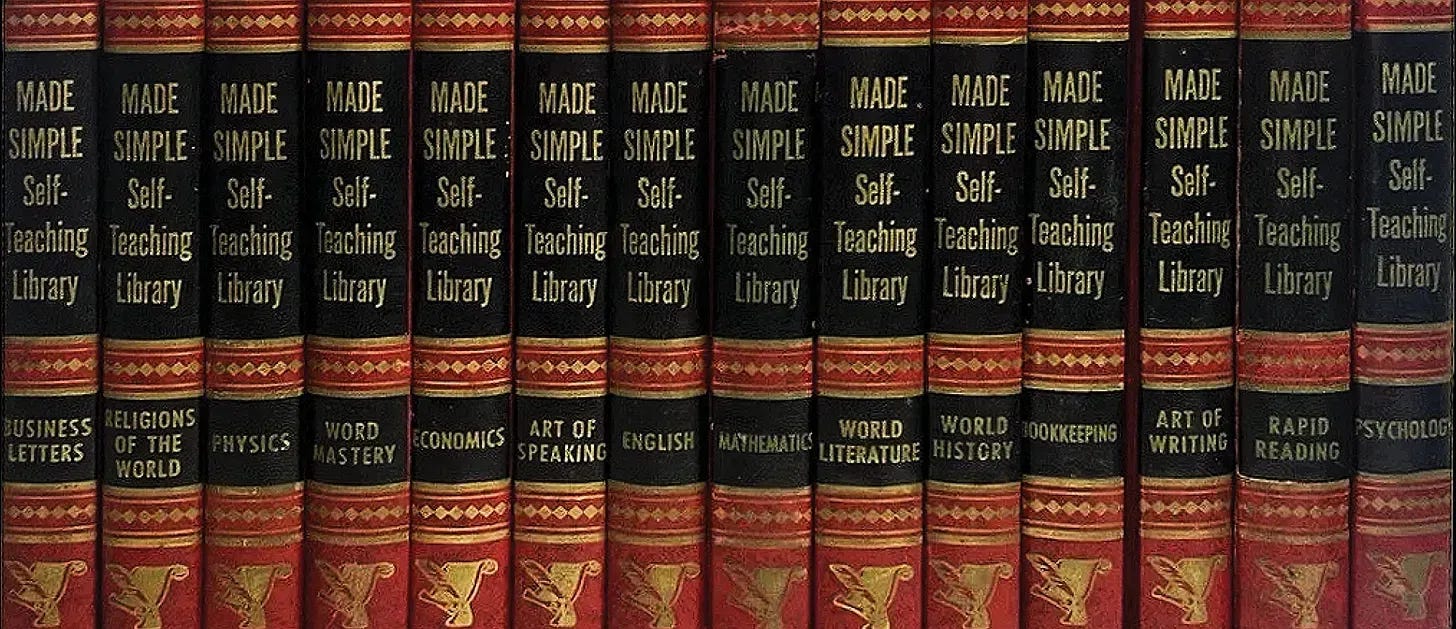
That old physics book.
As a kid, I picked it up hoping to learn physics. Instead, it taught me how to enter a world I didn’t yet understand.
I didn’t know it then, but that became the mindset I’d bring to every client.
Every project began with unfamiliar territory—a biotech company, a Michelin-starred kitchen, a high-end outdoor furniture company, a software company, or an art museum.
Each industry has its own language, priorities, constraints, assumptions, and ways of measuring success.
Before I could solve a communication problem, I first had to understand what actually mattered. Only then could I help other people—their customers, clients, partners, donors, patients, investors, patrons—understand why it mattered.
That ability doesn’t come from studying design alone.
It comes from remaining curious about things outside design.
Reading is one of the best ways I've found to cultivate that curiosity. Books expose us to systems, histories, conflicts, and ways of thinking we’ll probably never experience firsthand.
Some stay with us for decades.
Others change how we approach the very next project.
On Food and Cooking taught me to think less about recipes and trends and more about systems and transformation.
All Quiet on the Western Front made history feel less abstract and more human.
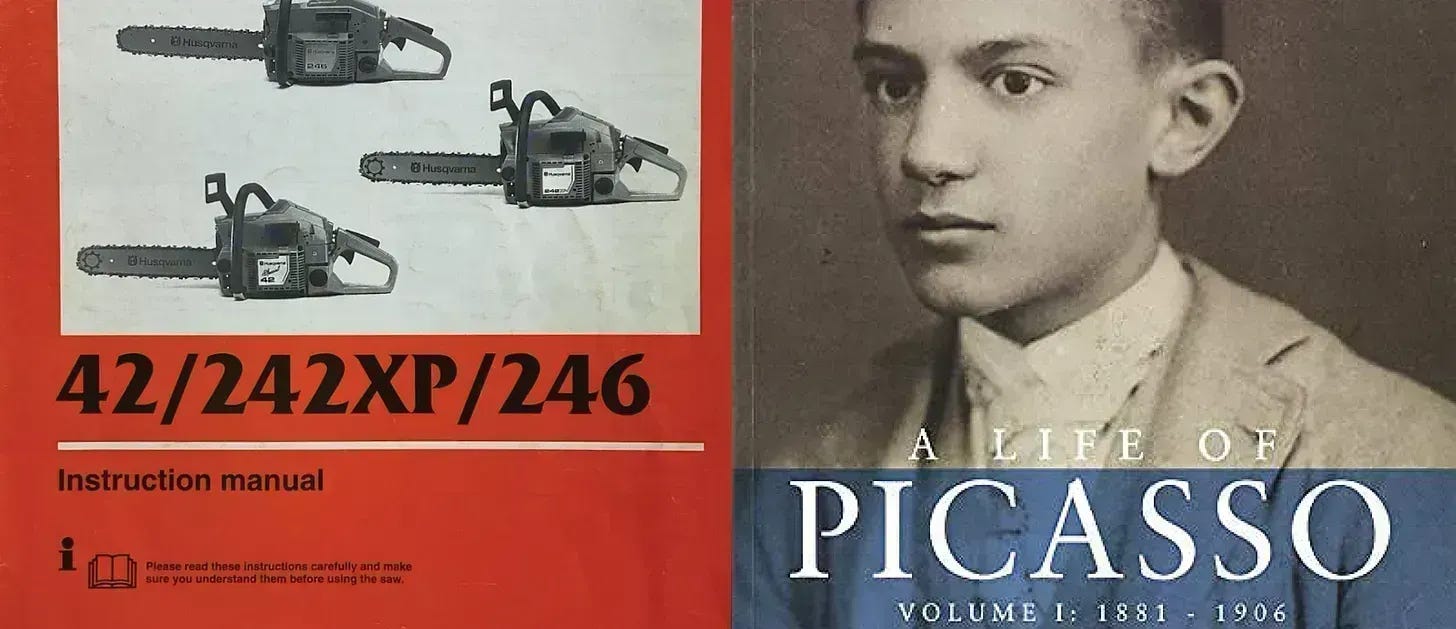
John Richardson’s biography of Picasso revealed how inseparable an artist’s life can be from the work itself.
Even a Husqvarna chainsaw manual can teach you something through the clarity—or shortcomings—of its diagrams and instructions.
None of those books made me better at typography or color theory.
They made me more comfortable learning things I didn’t already understand. They taught me to recognize patterns and understand how other people think.
Every subject revealed new connections. At first, they seemed unrelated. Over time, patterns began to emerge.
Eventually, unfamiliar problems stopped feeling entirely unfamiliar.
I could ask better questions. I could recognize what mattered.
Today, fewer people are reading.
I see it in my students.
Many begin designing before they’ve fully read the brief—let alone taken the time to understand the subject they’re designing for.
That habit matters.
Clients may hire a designer because they’ve worked in a related area—healthcare, education, finance, hospitality, biotech—before.
But the greatest value a designer brings isn’t prior industry knowledge.
It’s bringing fresh eyes—asking the questions insiders have stopped asking and noticing what familiarity has made invisible.

Curiosity matters more than certainty.
Craft helps us communicate ideas. Curiosity helps us discover which ideas are worth communicating.
I’ve come to believe that’s the real work of design.
Looking back, I don’t think that the Made Simple physics book taught me much physics. It taught me to become comfortable stepping into worlds I didn’t yet understand.
Years later, that turned out to be the most valuable thing I could offer my clients.
I think that's true for all of us.
Every project asks us to solve problems we’ve never seen before.
Our job isn’t to arrive with the right answer.
It’s to stay curious and understand the problem well enough to discover the real question.