“Because I like it.”
Why range—not instinct—leads to better ideas.

During critiques, I ask my design students, “Why did you choose this direction?”
I often get the same answer:
“Because I like it.”
It’s fine to like your work. But liking something isn’t the same as understanding it.
Most of the time, that answer points to a simple truth: they haven’t developed anything to compare it to.
Without alternatives, there’s no way to evaluate an idea against clear criteria—what it needs to do, who it’s for, and why it matters.
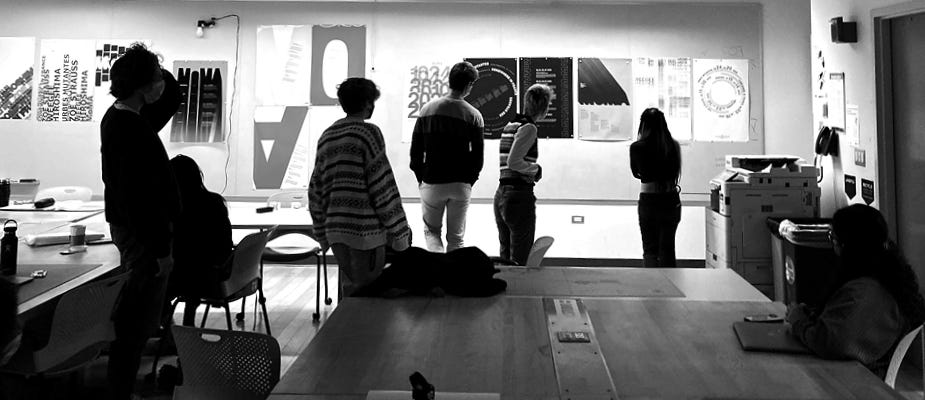
Every design project I assign has a simple requirement: develop at least three concepts. Not variations. Not refinements. Three genuinely different ways in.
And yet, students often struggle to get past the first idea. Once they find something that feels promising, they really want to stop exploring.
It’s not just students. Many experienced designers do the same thing.
They find a direction early, commit to it, and begin improving it before they’ve expanded the possibilities—and before they’ve tested it.
The specific idea may improve.
But the broader thinking doesn’t.
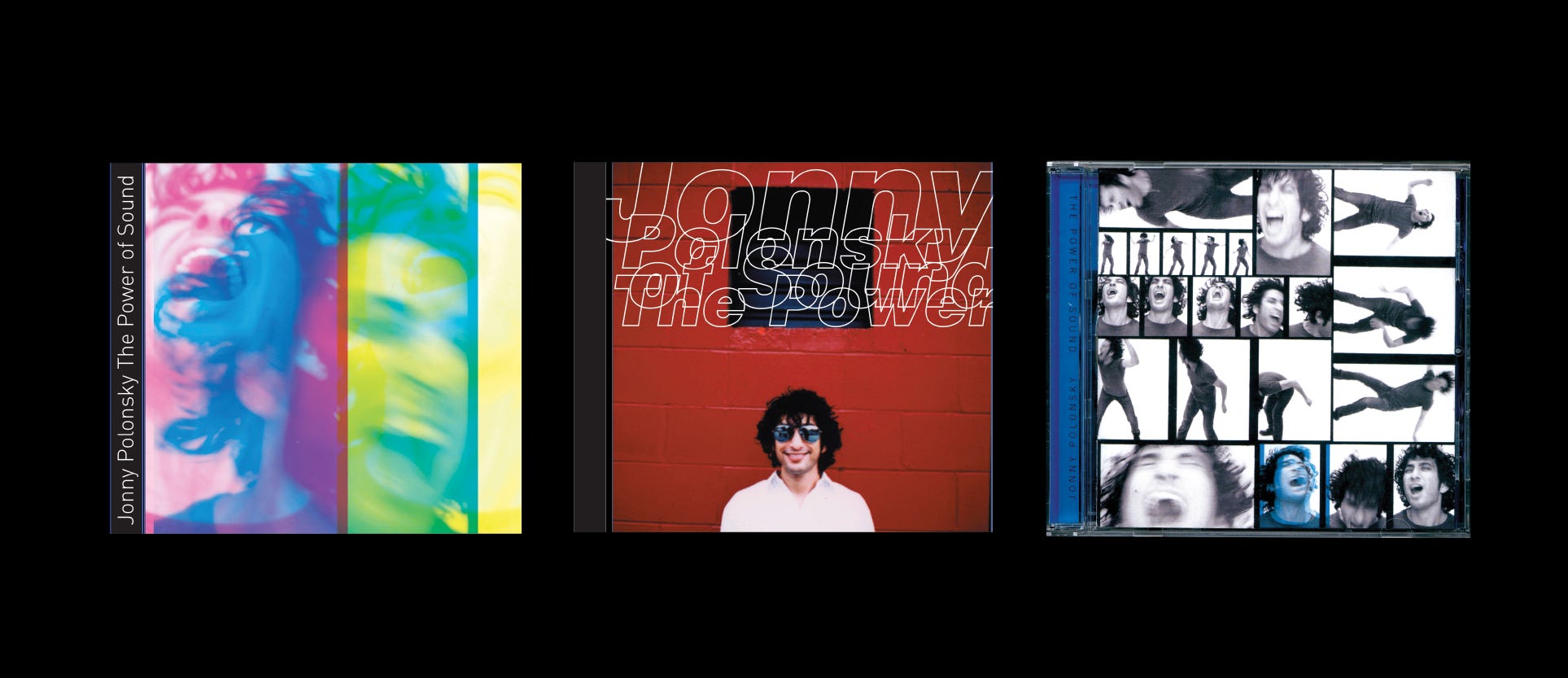
Contrast creates clarity
Design judgment doesn’t come from instinct alone. It comes from comparison.
Contrast helps you isolate variables, expose trade-offs, and reveal what actually matters. Without it, everything feels plausible.
With it, strengths and weaknesses become visible.
This isn’t just useful for designers.
When a client sees only one direction, feedback tends to stay vague and personal. When they see real alternatives, the conversation sharpens.
Preferences turn into reasons—and can be weighed against what the idea needs to do. Decisions get easier.
But contrast doesn’t happen by accident.
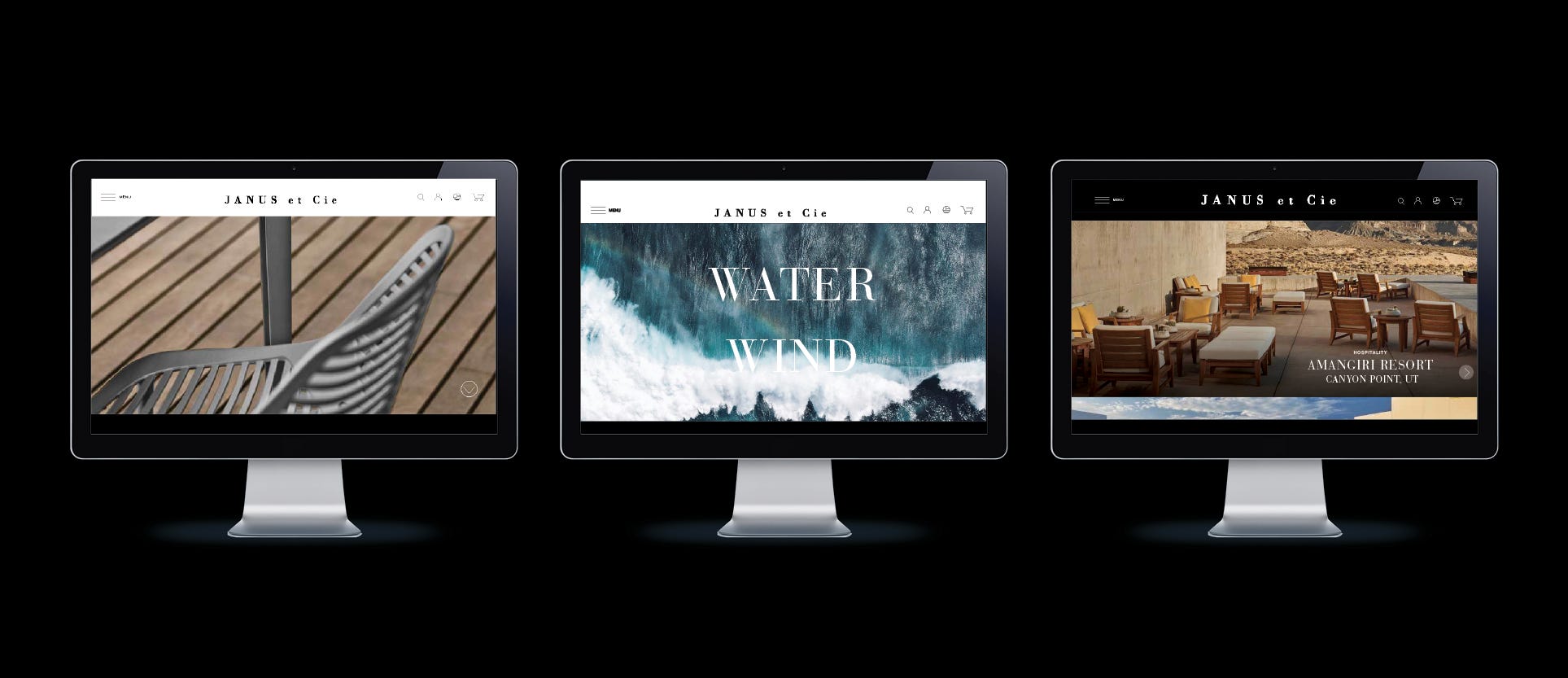
Use ideas as stepping stones
Once you start working this way, an idea stops being something to protect. It becomes something to test.
I’ll often ask designers to push against an early direction—not by refining it, but by moving in an entirely different direction.
If something is quiet, make it loud.
If it’s orderly, introduce disruption.
If it feels obvious, see what happens when clarity gives way to ambiguity.
This isn’t about being contrarian. It’s about understanding what the concept can and can’t do—so you can evaluate different strategic directions, not just stylistic variations.
Sometimes that means isolating a single promising element—a tone, a structure, or a visual move—and rebuilding from there.
Other times, it means developing multiple incomplete ideas side by side before any of them becomes too precious.
Most of these directions won’t survive.
That’s the point.
Movement creates understanding. Range exposes trade-offs. Comparison sharpens judgment.
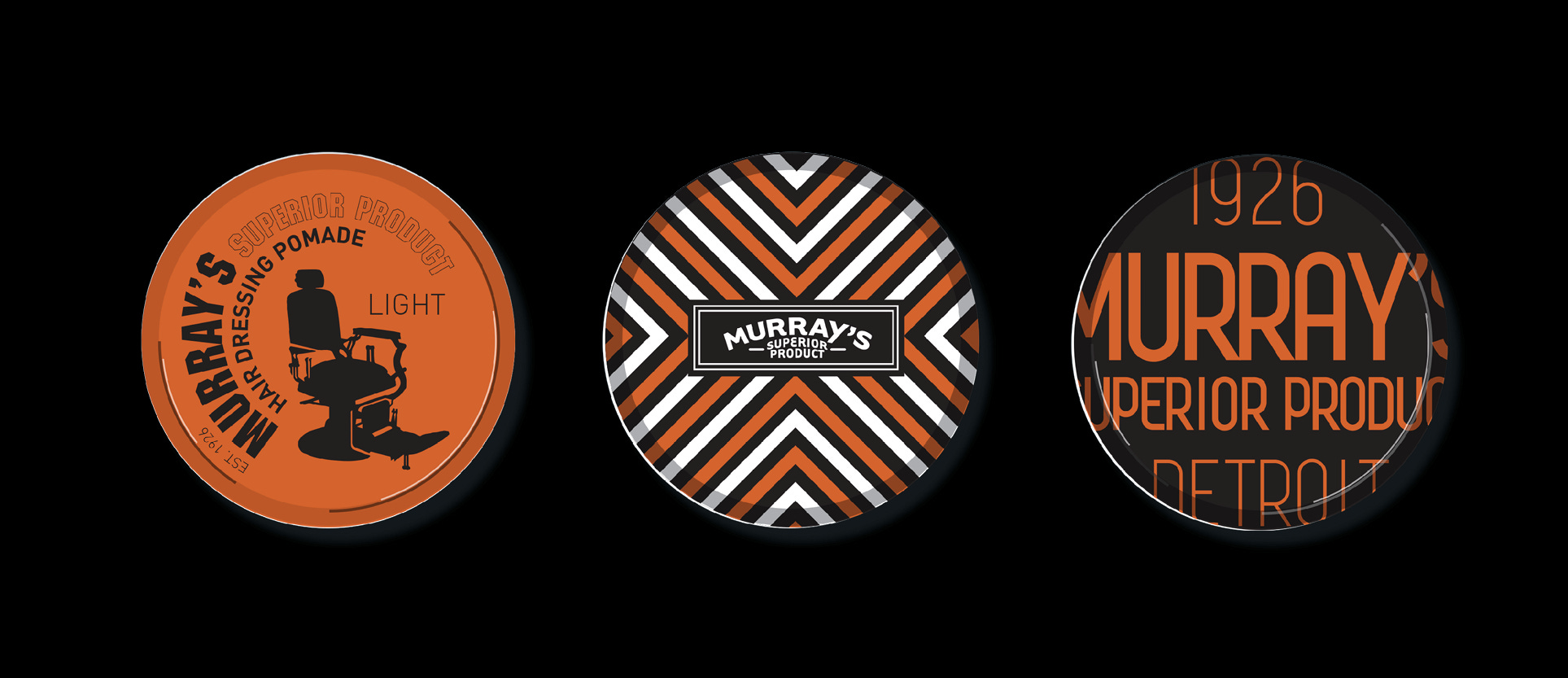
This kind of thinking doesn’t start—or stop—when you look at a design problem.
Designers who move easily between intuition and analysis push themselves to see contrast in the world and draw from a wider range of experiences. They read things they don’t agree with. They work outside their discipline. They pay attention to things that don’t seem immediately relevant.
Those experiences may not directly produce ideas.
But they make it easier to shift perspective when it matters—to see an idea from more than one angle before committing to it.
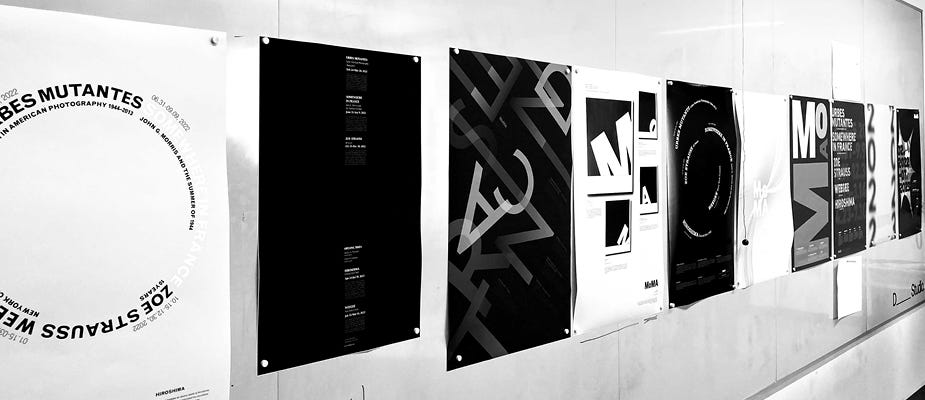
So, now, when a student tells me they chose a direction because they like it, I don’t push back. I ask a different question:
What else did you try?
Design judgment isn’t about having better taste. It comes from creating enough range to evaluate ideas clearly.
So create an idea. Then push against it.
Let it show you what it can’t do.
Move past it.
Compare and contrast wildly different thoughts.
That’s how you move beyond “I like it” to ideas that work.